
Für das Seminar muss vorher eine Anmeldung erfolgen.
- Trainer/in: Monika Pfaller
Kursbereich: Wintersemester 2019/2020
Für das Seminar muss vorher eine Anmeldung erfolgen.
Nur zugelassene Teilnehmer erhalten in/ in der ersten Sitzung einen Einschreibeschlüssel.
Nur zugelassene Teilnehmer erhalten in/ vor der ersten Sitzung einen Einschreibeschlüssel sowie die Zugangsdaten für das Zoom-Meeting.

Inhalte: Ausgewählte Bilderbücher haben das Potential den Mathematikunterricht produktiv zu bereichern. Der Lebensweltbezug ist eine zentrale Funktion dieser Bücher. Über sie lassen sich Bezüge zwischen der enthaltenen Mathematik und dem Rest der Welt herstellen und sie regen zur Kommunikation der Kinder an. In unserem Seminar werden wir verschiedene Bilderbücher kennenlernen und erforschen, wie diese sinnvoll und effektiv in den Mathematikunterricht eingebaut werden.
Leistungsnachweis: Voraussetzung für den Nachweis der erfolgreichen Teilnahme ist die Anfertigung und Präsentation eines Referats, das Bearbeiten von Portfolioaufgaben, sowie eine aktive Teilnahme am Seminar.
Nur zugelassene Teilnehmer erhalten in/ in der ersten Sitzung einen Einschreibeschlüssel.
Nur zugelassene Teilnehmer erhalten in/ in der ersten Sitzung einen Einschreibeschlüssel.
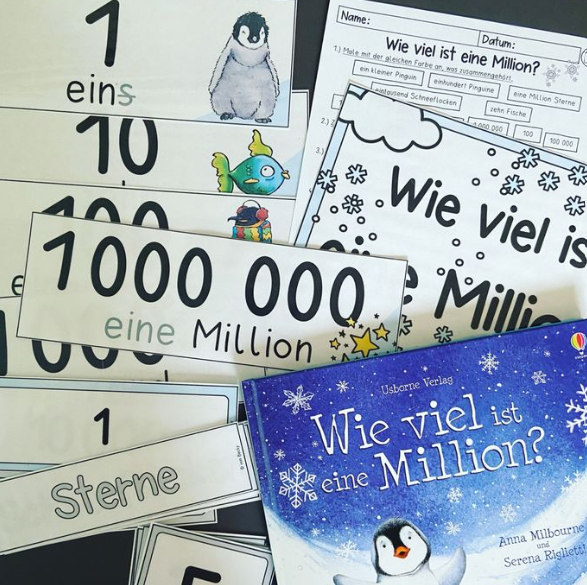
Inhalte: Eine der elementarsten Aufgaben des Mathematikunterrichts in der Grundschule ist es, im Laufe der vier Grundschuljahre die Zahlenräume sukzessive bis 1 000 000 zu erweitern. Durch den Einsatz verschiedener Darstellungsmittel, wie dem Hunderterfeld, Würfelmaterial und dem Zahlenstrahl, können unterschiedliche Zahlaspekte gefördert werden, sodass die Kinder tragfähige Vorstellungsbilder entwickeln und Strukturen und Zusammenhänge erkennen und übertragen können. Anhand eines beispielhaften Lernprozesses werden wir im Seminar die einzelnen Schritte der Zahlraumerweiterung handlungsorientiert in Form von Referaten präsentieren und praktisch erproben.
Leistungsnachweis: Voraussetzung für den Nachweis der erfolgreichen Teilnahme ist die Anfertigung und Präsentation eines Referats, das Erstellen eines Lernprozesses, sowie eine aktive Teilnahme am Seminar.
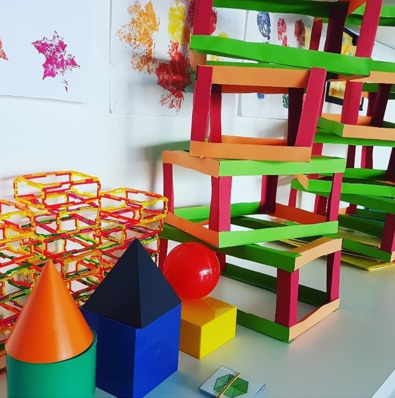
Inhalte: Ob mit Zirkel, Geodreieck, Geobrettern, oder dem Somawürfel- der Geometrieunterricht in der Grundschule bietet zahlreiche handlungsorientierte Möglichkeiten Mathematik mit Kopf, Herz und Hand zu gestalten. Die Kinder sollen angeregt werden, im Lernbereich Raum und Form zu forschen, beschreiben und zu begründen. Im Seminar werden wir entdeckende, problemorientierte Aufgabenformate aus dem Lehrplanbereich in Referaten präsentieren und deren Umsetzung im Schulalltag praktisch erproben.
Leistungsnachweis: Voraussetzung für den Nachweis der erfolgreichen Teilnahme ist die Anfertigung und Präsentation eines Referats, die Erstellung eines Lernprozesses, sowie eine aktive Teilnahme am Seminar.
Nur zugelassene Teilnehmer erhalten in/ in der ersten Sitzung einen Einschreibeschlüssel.
Nur zugelassene Teilnehmer erhalten in/ in der ersten Sitzung einen Einschreibeschlüssel.
Inhalte: Ob mit Zirkel, Geodreieck, Geobrettern, oder dem Somawürfel- der Geometrieunterricht in der Grundschule bietet zahlreiche handlungsorientierte Möglichkeiten Mathematik mit Kopf, Herz und Hand zu gestalten. Die Kinder sollen angeregt werden, im Lernbereich Raum und Form zu forschen, beschreiben und zu begründen. Im Seminar werden wir entdeckende, problemorientierte Aufgabenformate aus dem Lehrplanbereich in Referaten präsentieren und deren Umsetzung im Schulalltag praktisch erproben.
Leistungsnachweis: Voraussetzung für den Nachweis der erfolgreichen Teilnahme ist die Anfertigung und Präsentation eines Referats, das Bearbeiten von Portfolioaufgaben, sowie eine aktive Teilnahme am Seminar.
Nur zugelassene Teilnehmer erhalten in/ in der ersten Sitzung einen Einschreibeschlüssel.
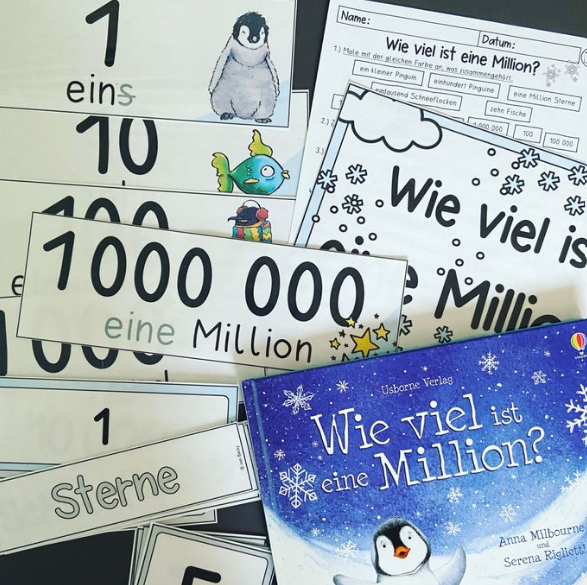
Inhalt: Eine der elementarsten Aufgaben des Mathematikunterrichts in der Grundschule ist es, im Laufe der vier Grundschuljahre die Zahlenräume sukzessive bis 1 000 000 zu erweitern. Durch den Einsatz verschiedener Darstellungsmittel, wie dem Hunderterfeld, Würfelmaterial und dem Zahlenstrahl, können unterschiedliche Zahlaspekte gefördert werden, sodass die Kinder tragfähige Vorstellungsbilder entwickeln und Strukturen und Zusammenhänge erkennen und übertragen können. Anhand eines beispielhaften Lernprozesses werden wir im Seminar die einzelnen Schritte der Zahlraumerweiterung handlungsorientiert in Form von Referaten präsentieren und praktisch erproben.
Leistungsnachweis: Voraussetzung für den Nachweis der erfolgreichen Teilnahme ist die Anfertigung und Präsentation eines Referats, das Bearbeiten von Portfolioaufgaben, sowie eine aktive Teilnahme am Seminar.
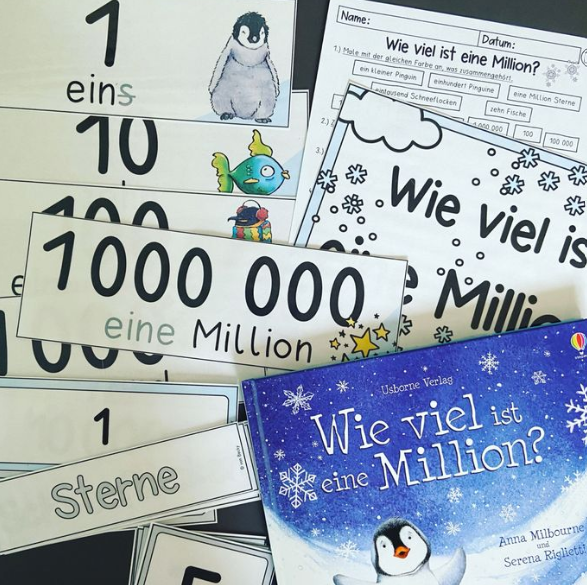

Inhalte: Ausgewählte Bilderbücher haben das Potential den Mathematikunterricht produktiv zu bereichern. Der Lebensweltbezug ist eine zentrale Funktion dieser Bücher. Über sie lassen sich Bezüge zwischen der enthaltenen Mathematik und dem Rest der Welt herstellen und sie regen zur Kommunikation der Kinder an. In unserem Seminar werden wir verschiedene Bilderbücher kennenlernen und erforschen, wie diese sinnvoll und effektiv in den Mathematikunterricht eingebaut werden.
Leistungsnachweis: Voraussetzung für den Nachweis der erfolgreichen Teilnahme ist die Anfertigung und Präsentation eines Referats, die Erstellung eines Portfolios, sowie eine aktive Teilnahme am Seminar.

Inhalte: Ausgewählte Bilderbücher haben das Potential den Mathematikunterricht produktiv zu bereichern. Der Lebensweltbezug ist eine zentrale Funktion dieser Bücher. Über sie lassen sich Bezüge zwischen der enthaltenen Mathematik und dem Rest der Welt herstellen und sie regen zur Kommunikation der Kinder an. In unserem Seminar werden wir verschiedene Bilderbücher kennenlernen und erforschen, wie diese sinnvoll und effektiv in den Mathematikunterricht eingebaut werden.
Leistungsnachweis: Voraussetzung für den Nachweis der erfolgreichen Teilnahme ist die Anfertigung und Präsentation eines Referats, die Erstellung eines Portfolios, sowie eine aktive Teilnahme am Seminar.
Nicht nur in Zeiten von online-Unterricht, auch im „normalen“ Betrieb
können Erklärvideos eine wertvolle Ergänzung des Unterrichts sein.
Im Seminar
werden zunächst frei verfügbare Erklärvideos kritisch analysiert, die
Möglichkeiten eines gewinnbringenden Einsatzes im Unterricht diskutiert und die
Einbettung in Unterrichtssequenzen besprochen.
Nicht nur in Zeiten von online-Unterricht, auch im „normalen“ Betrieb
können Erklärvideos eine wertvolle Ergänzung des Unterrichts sein.
Im Seminar
werden zunächst frei verfügbare Erklärvideos kritisch analysiert, die
Möglichkeiten eines gewinnbringenden Einsatzes im Unterricht diskutiert und die
Einbettung in Unterrichtssequenzen besprochen.
Nicht nur in Zeiten von online-Unterricht, auch im „normalen“ Betrieb
können Erklärvideos eine wertvolle Ergänzung des Unterrichts sein.
Im Seminar
werden zunächst frei verfügbare Erklärvideos kritisch analysiert, die
Möglichkeiten eines gewinnbringenden Einsatzes im Unterricht diskutiert und die
Einbettung in Unterrichtssequenzen besprochen.
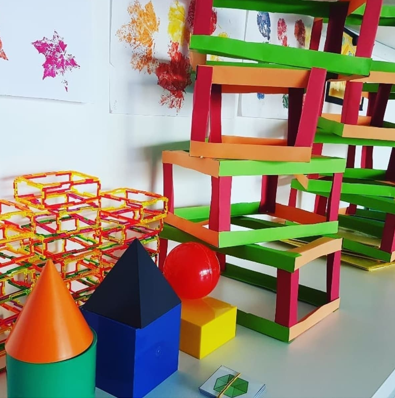
Inhalte: Ob mit Zirkel, Geodreieck, Geobrettern, oder dem Somawürfel- der Geometrieunterricht in der Grundschule bietet zahlreiche handlungsorientierte Möglichkeiten Mathematik mit Kopf, Herz und Hand zu gestalten. Die Kinder sollen angeregt werden, im Lernbereich Raum und Form zu forschen, beschreiben und zu begründen. Im Seminar werden wir entdeckende, problemorientierte Aufgabenformate aus dem Lehrplanbereich in Referaten präsentieren und deren Umsetzung im Schulalltag praktisch erproben.
Leistungsnachweis: Voraussetzung für den Nachweis der erfolgreichen Teilnahme ist die Anfertigung und Präsentation eines Referats, die Erstellung eines Lernprozesses, sowie eine aktive Teilnahme am Seminar.
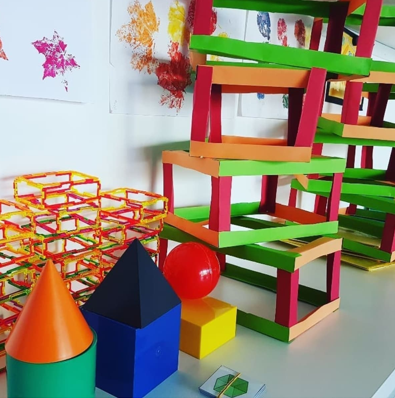
Inhalte: Ob mit Zirkel, Geodreieck, Geobrettern, oder dem Somawürfel- der Geometrieunterricht in der Grundschule bietet zahlreiche handlungsorientierte Möglichkeiten Mathematik mit Kopf, Herz und Hand zu gestalten. Die Kinder sollen angeregt werden, im Lernbereich Raum und Form zu forschen, beschreiben und zu begründen. Im Seminar werden wir entdeckende, problemorientierte Aufgabenformate aus dem Lehrplanbereich in Referaten präsentieren und deren Umsetzung im Schulalltag praktisch erproben.
Leistungsnachweis: Voraussetzung für den Nachweis der erfolgreichen Teilnahme ist die Anfertigung und Präsentation eines Referats, die Erstellung eines Lernprozesses, sowie eine aktive Teilnahme am Seminar.
Nur zugelassene Teilnehmer erhalten in/ in der ersten Sitzung einen Einschreibeschlüssel.
Nur zugelassene Teilnehmer erhalten in/ in der ersten Sitzung einen Einschreibeschlüssel.
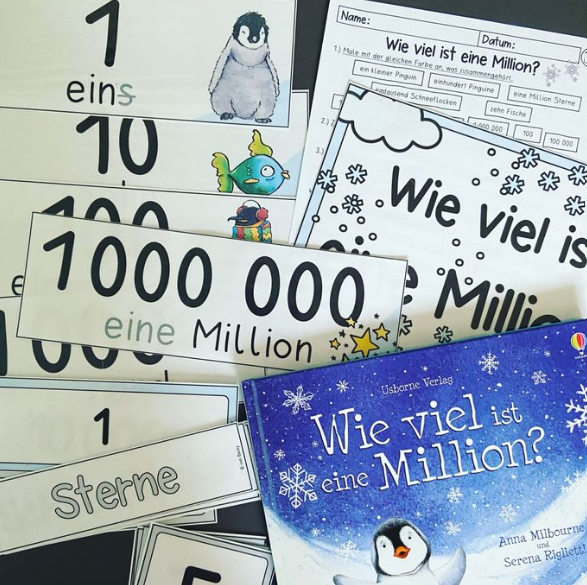
Inhalte: Eine der elementarsten Aufgaben des Mathematikunterrichts in der Grundschule ist es, im Laufe der vier Grundschuljahre die Zahlenräume sukzessive bis 1 000 000 zu erweitern. Durch den Einsatz verschiedener Darstellungsmittel, wie dem Hunderterfeld, Würfelmaterial und dem Zahlenstrahl, können unterschiedliche Zahlaspekte gefördert werden, sodass die Kinder tragfähige Vorstellungsbilder entwickeln und Strukturen und Zusammenhänge erkennen und übertragen können. Anhand eines beispielhaften Lernprozesses werden wir im Seminar die einzelnen Schritte der Zahlraumerweiterung handlungsorientiert in Form von Referaten präsentieren und praktisch erproben.
Leistungsnachweis: Voraussetzung für den Nachweis der erfolgreichen Teilnahme ist die Anfertigung und Präsentation eines Referats, das Erstellen eines Lernprozesses, sowie eine aktive Teilnahme am Seminar.
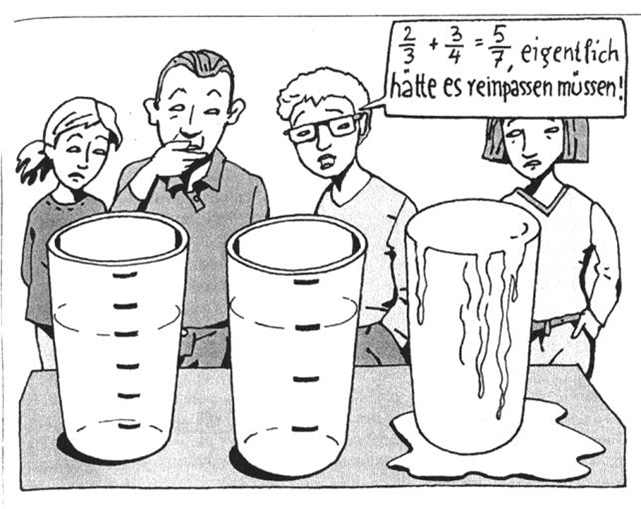
Anhand zahlreicher Beispiele werden typische Schülerfehler und Schülerschwierigkeiten im Mathematikunterricht der Sekundarstufe I besprochen, z.B. Schülerfehler aus den Bereichen Arithmetik (Grundrechenarten in N), Algebra (Termumformungen, Gleichungen), Geometrie, Bruchrechnung, Prozentrechnung, etc.
Im Sinne einer Fehlerkultur werden dabei Fehleranalyse, Ursachen von Fehlern und konstruktiver Umgang mit Fehlern berücksichtigt. Diagnose- und Förderkonzepte werden vorgestellt und Möglichkeiten zur Prävention von Fehlern aufgezeigt.
Nachhaltiges Denken und Handeln ist eine der zentralsten Herausforderungen unserer Zeit und ein fester Bestandteil des bayerischen Lehrplans - fächer- und sogar schulformübergreifend. Dieses Seminar befähigt Sie dazu, Bildung für nachhaltige Entwicklung (kurz: BNE) im Mathematikunterricht zu verankern. Nach dem Seminar steht Ihnen ein Pool mit mehreren fertig geplanten BNE-Unterrichtseinheiten zu mathematischen Themen aus den Lehrplänen der Sekundarstufe zur Verfügung, die Sie als zukünftige Lehrkraft im Unterricht einsetzen können.
Nachhaltiges Denken und Handeln ist eine der zentralsten Herausforderungen unserer Zeit und ein fester Bestandteil des bayerischen Lehrplans -- fächer- und sogar schulformübergreifend. Dieses Seminar befähigt Sie dazu, Bildung für nachhaltige Entwicklung (kurz: BNE) im Mathematikunterricht zu verankern. Nach dem Seminar steht Ihnen ein Pool mit mehreren BNE-Unterrichtseinheiten zu mathematischen Themen aus den Lehrplänen verschiedener Schulformen zur Verfügung, die Sie als zukünftige Lehrkraft im Unterricht einsetzen können.
Nachhaltiges Denken und Handeln ist eine der zentralsten Herausforderungen unserer Zeit und ein fester Bestandteil des bayerischen Lehrplans -- fächer- und sogar schulformübergreifend. Dieses Seminar befähigt Sie dazu, Bildung für nachhaltige Entwicklung (kurz: BNE) im Mathematikunterricht zu verankern. Nach dem Seminar steht Ihnen ein Pool mit mehreren BNE-Unterrichtseinheiten zu mathematischen Themen aus den Lehrplänen verschiedener Schulformen zur Verfügung, die Sie als zukünftige Lehrkraft im Unterricht einsetzen können.
Anhand zahlreicher Beispiele werden typische Schülerfehler und Schülerschwierigkeiten im Mathematikun-
terricht der Sekundarstufe I besprochen, z.B. Schülerfehler aus den Bereichen Arithmetik (Grundrechenarten
in N), Algebra (Termumformungen, Gleichungen), Geometrie, Bruchrechnung, Prozentrechnung, etc.
Im Sinne einer Fehlerkultur werden dabei Fehleranalyse, Ursachen von Fehlern und konstruktiver Umgang
mit Fehlern berücksichtigt. Diagnose- und Förderkonzepte werden vorgestellt und Möglichkeiten zur Präven-
tion von Fehlern aufgezeigt.
Im Seminar werden Inhalte zur Vorbereitung auf die schriftliche Examensprüfung in Mathematikdidaktik behandelt sowie Examensklausuren der vergangenen Jahre bearbeitet.
Im Seminar werden Inhalte zur Vorbereitung auf die schriftliche Examensprüfung in Mathematikdidaktik behandelt sowie Examensklausuren der vergangenen Jahre bearbeitet.
GRIPS (v4.5.x) wird von der Campus IT der Universität Regensburg betrieben. | Datenschutz | Kontakt | Impressum